Welcome back to our Artist Spotlight series, where we chat with creators in the game dev space about their work, their process, and what they've learned along the way.
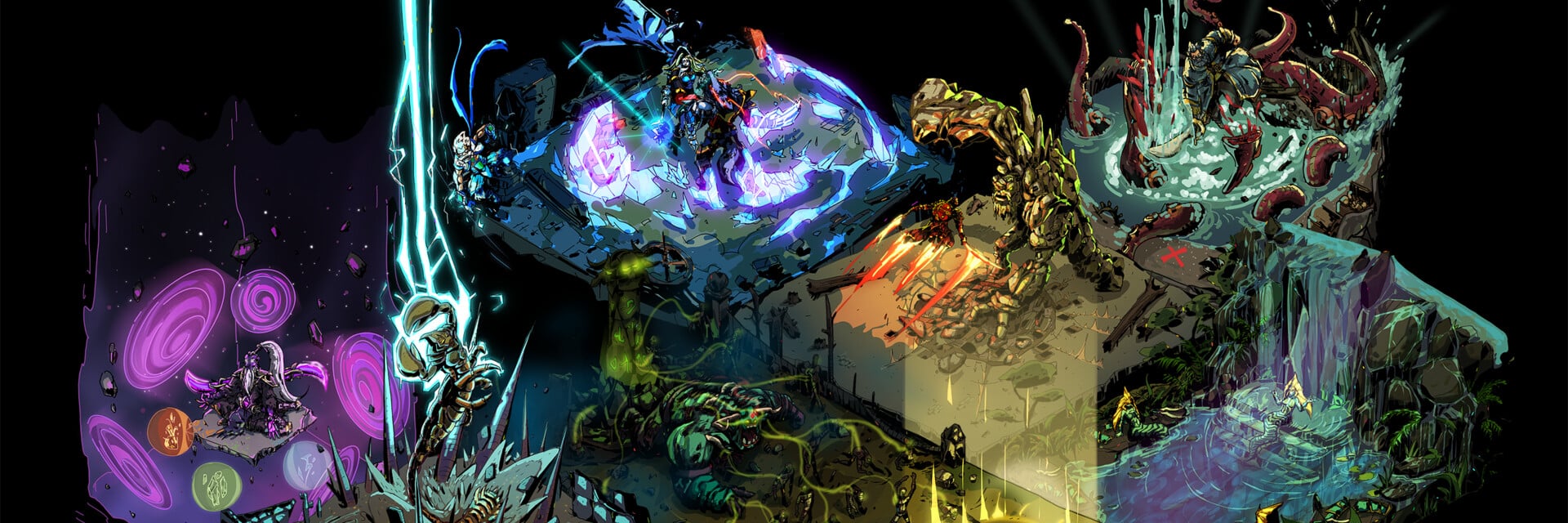
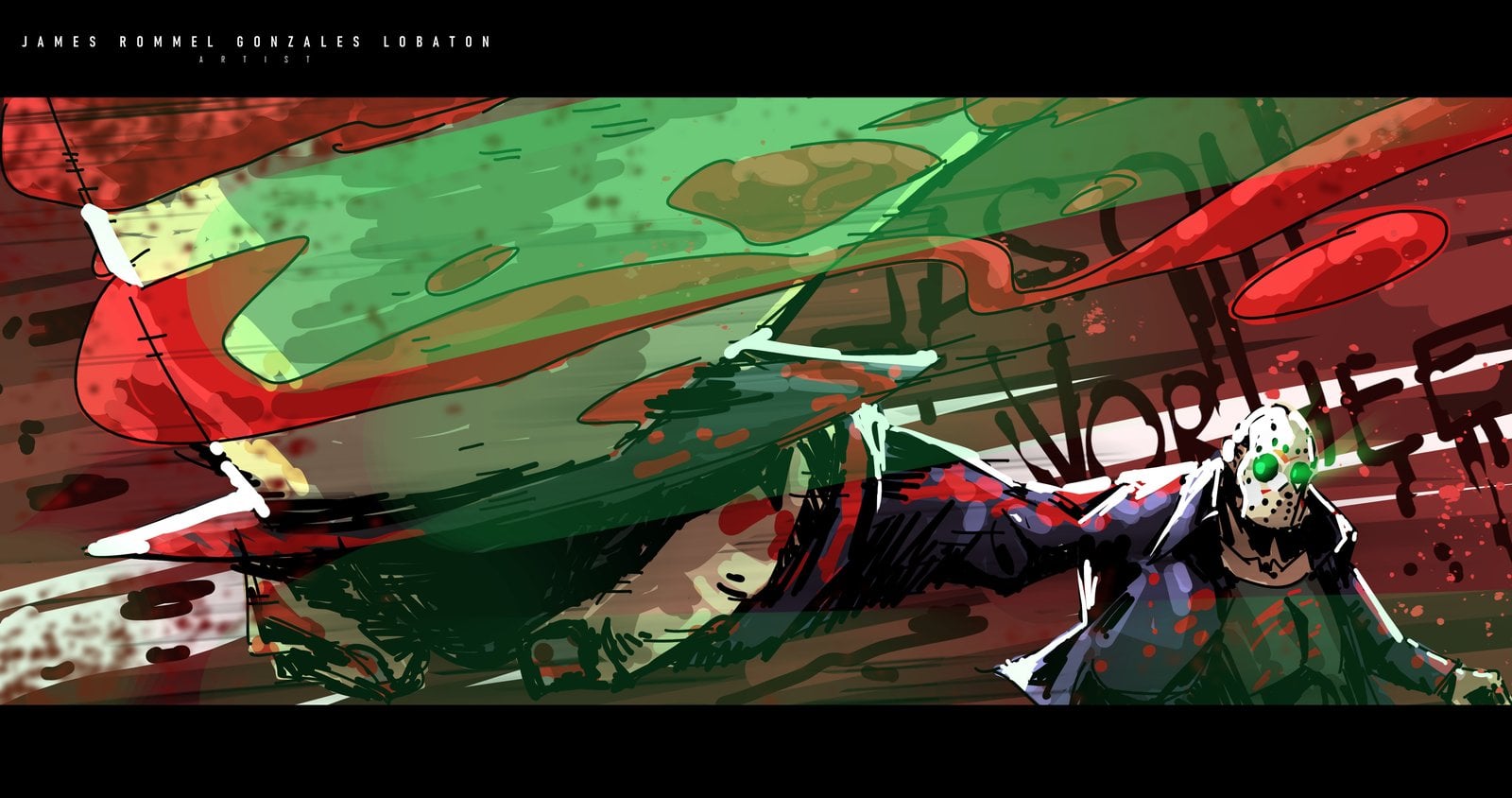
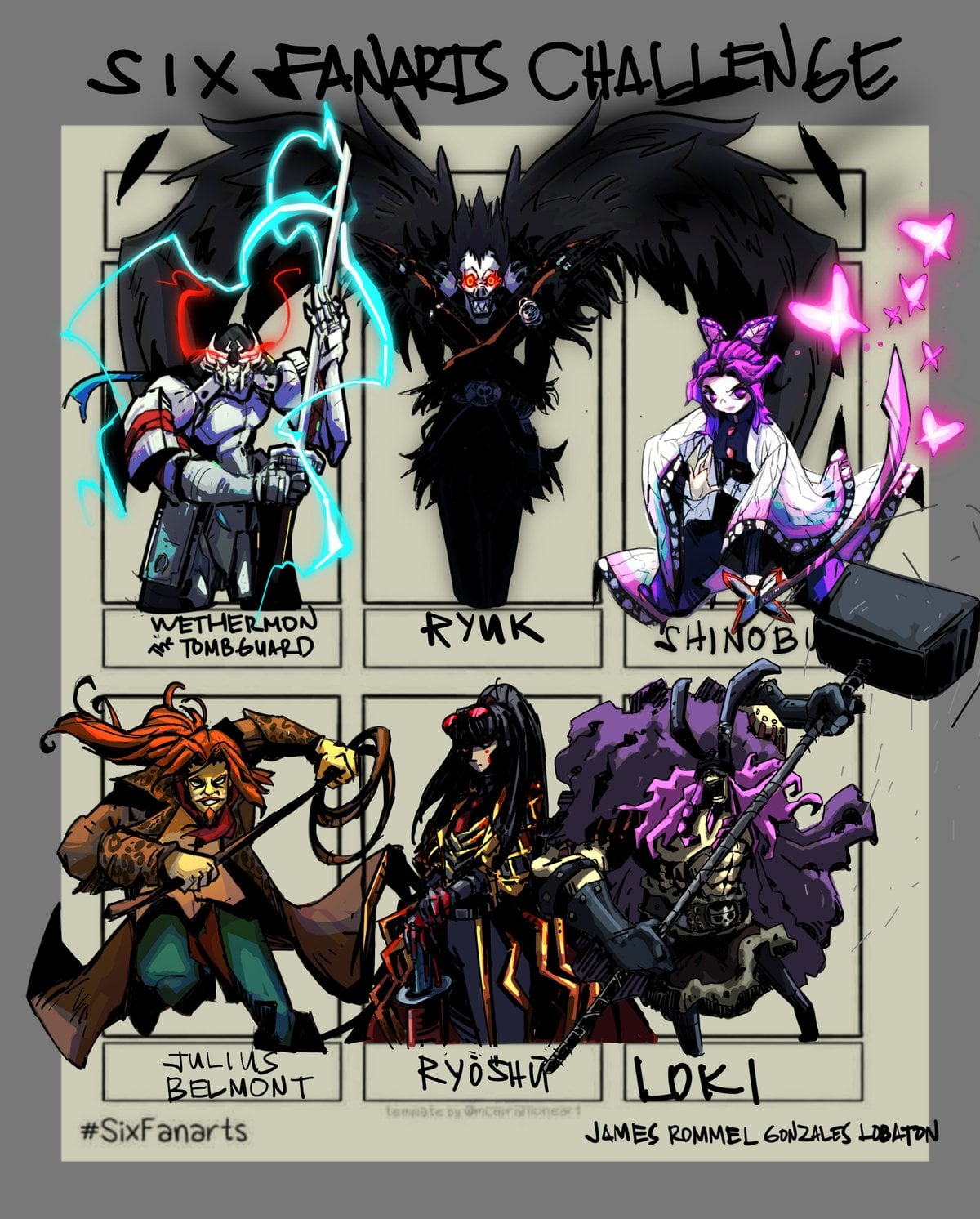
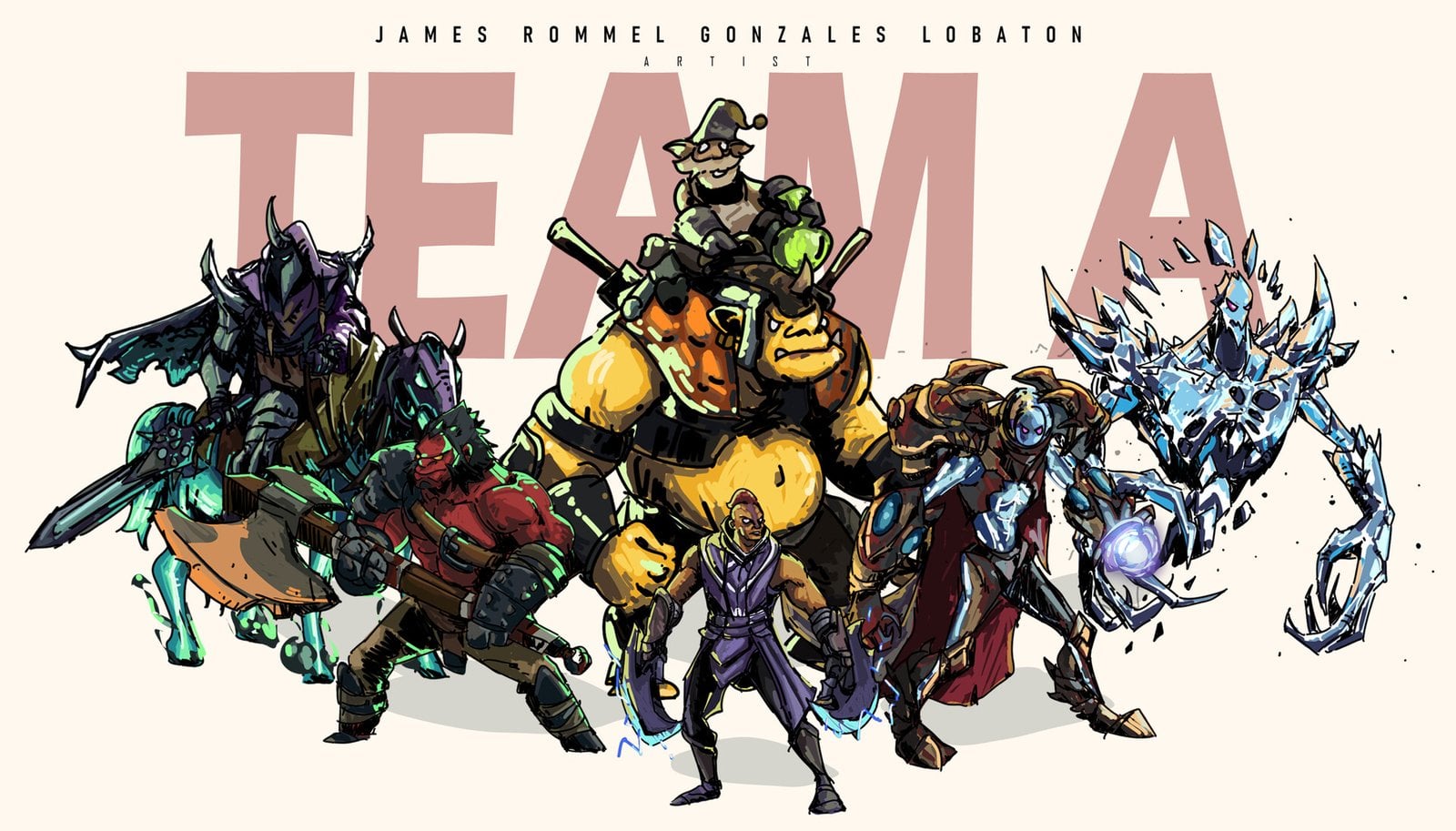
This time we're talking to James Rommel G. Lobaton, a 2D and 3D game animator from the Philippines with ten years in the industry, a Unity Asset Store shop, and a portfolio that swings happily between Dota 2, fighting games, horror icons and anime.
For readers who haven't come across your work yet, what do you do?
I'm a 2D/3D game animator, and I've been in the animation industry for ten years now. I create animation for games, and on the side I take commissions for character designs and creatures.
During the day I work at a local game dev studio in the Philippines. After work I go home and work again on freelance jobs.
We also have a Unity Asset Store shop, where my friends and I make 2D chibi assets for games. Some are PNGs, and some are bundles with animations ready to drop into a game.
How did you end up working across both 2D and 3D, and was game development always the goal?
I started late on this path. Before animation I was a delivery guy, delivering special welding rods to industrial companies. Animation is my second chance.
I studied a vocational 3D animation course, and from there I threw myself into learning everything about 3D, trying to be a one-man army. While I kept studying 3D, I was also learning Photoshop and basic 2D drawing.
Then I got the opportunity to work at a game dev studio as a 3D animator. As the project went on we ran into trouble: they couldn't integrate 3D characters into a 2D environment. That's where the switch happened. I needed to learn Spine, and that's how I became a 2D/3D animator.
My teacher in the industry was into games, so all of my practice was for games. Dota 2 inspired me a lot too. So yes, I love game dev.
Your portfolio mixes Dota 2, fighting games, horror icons and anime. What shaped your style?
I've loved comics since I was a kid. I love the sharp black lines and big buckets of black against vibrant colours. Since starting on this path, I've always practised my drawing, starting with chibi characters. The style has stayed the same: black line art and cool, vibrant colours.
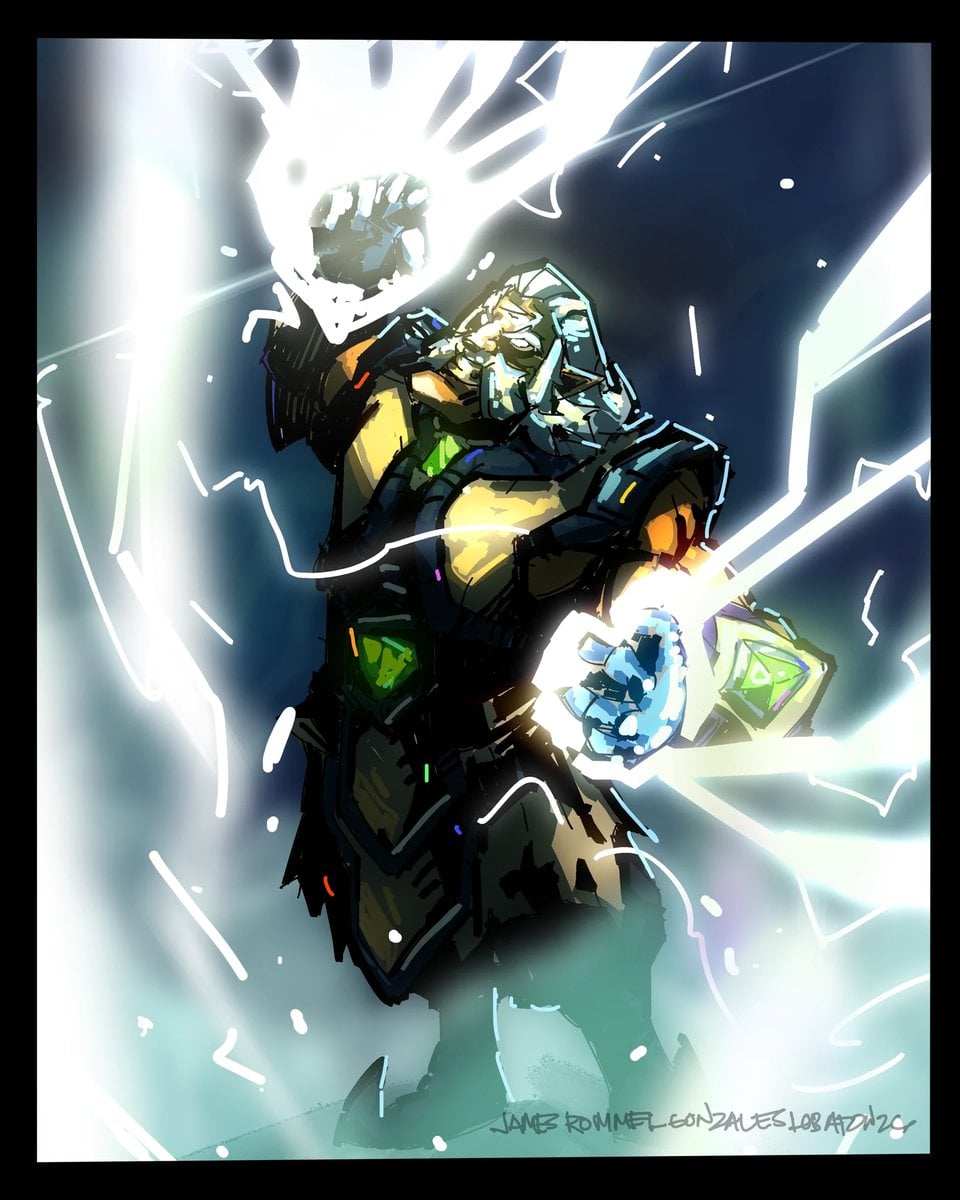
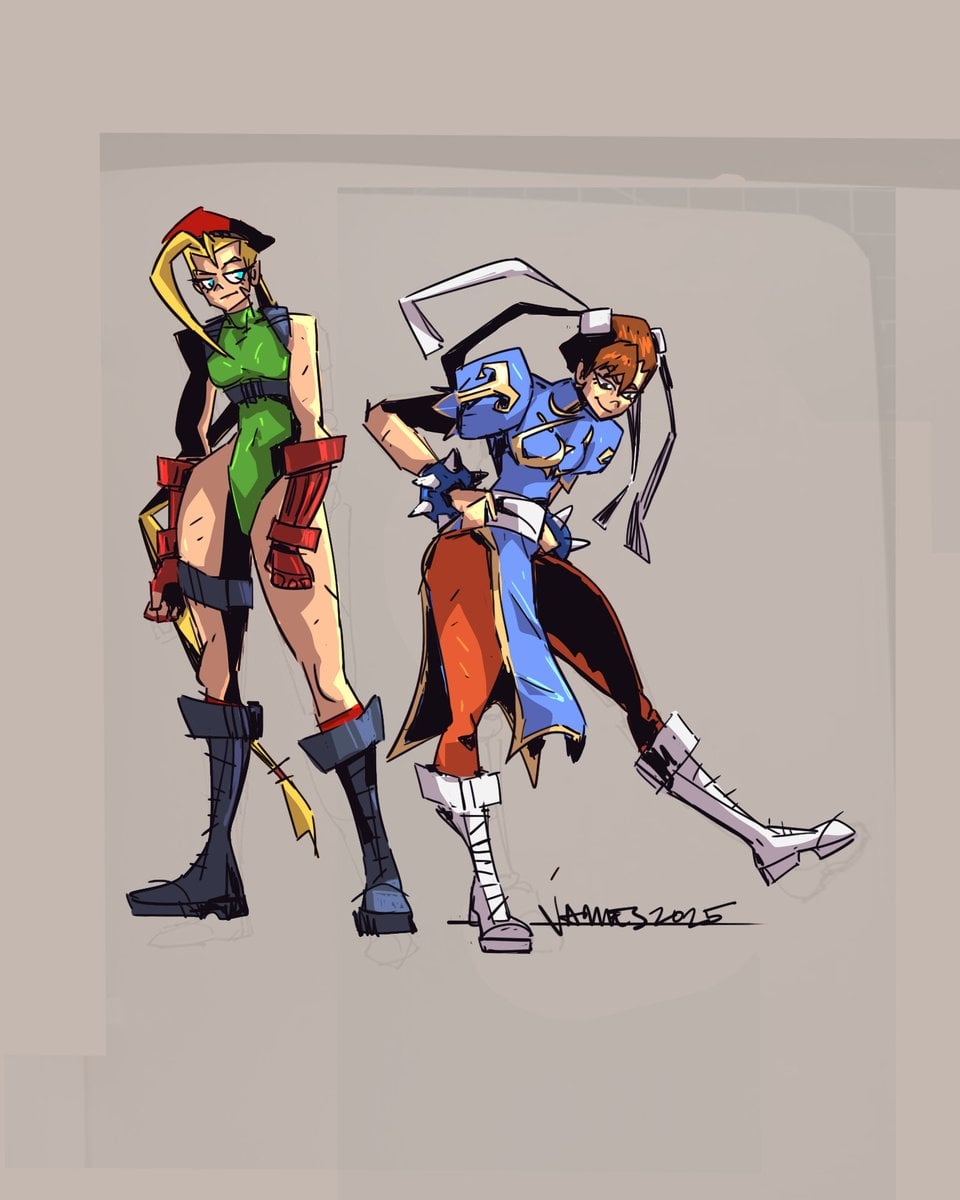
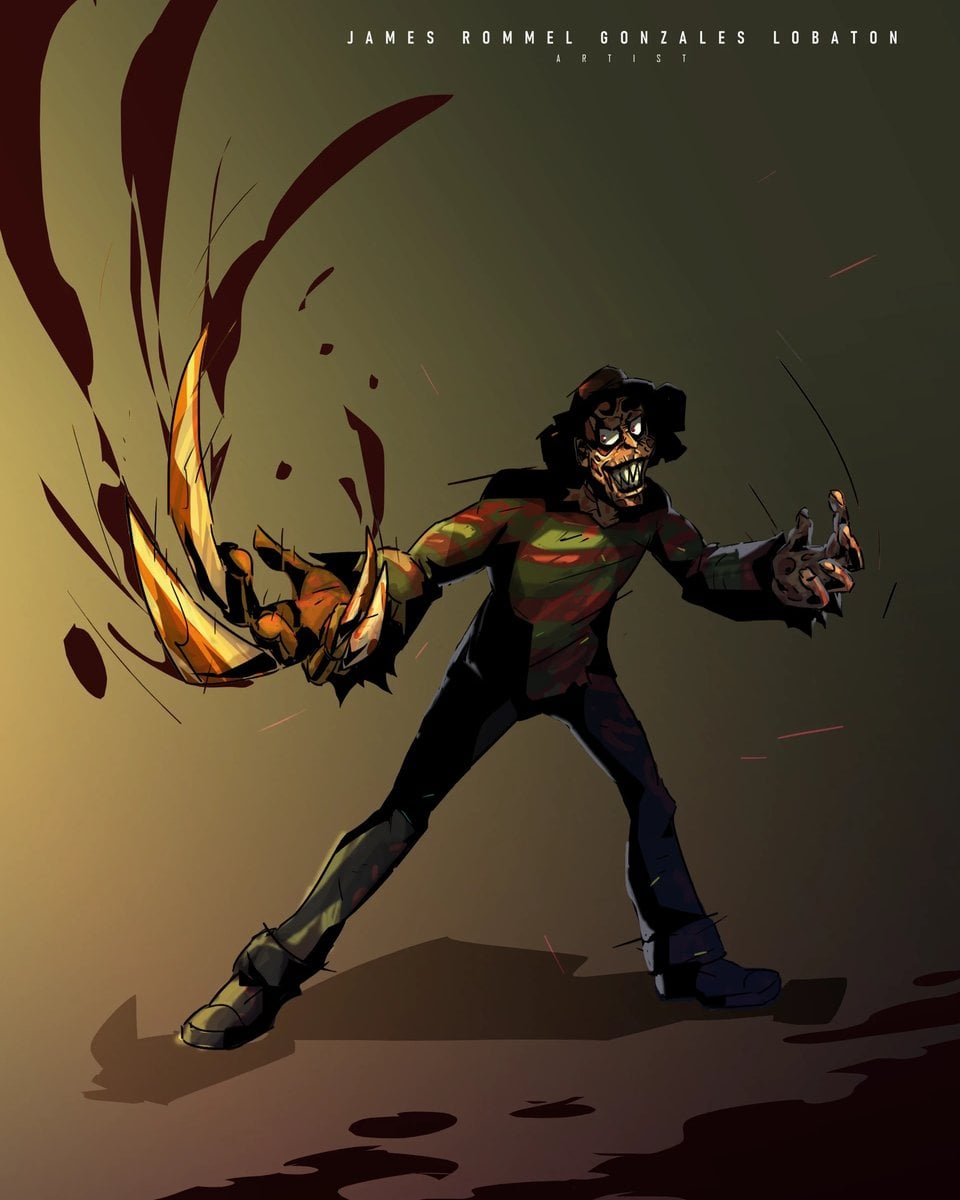
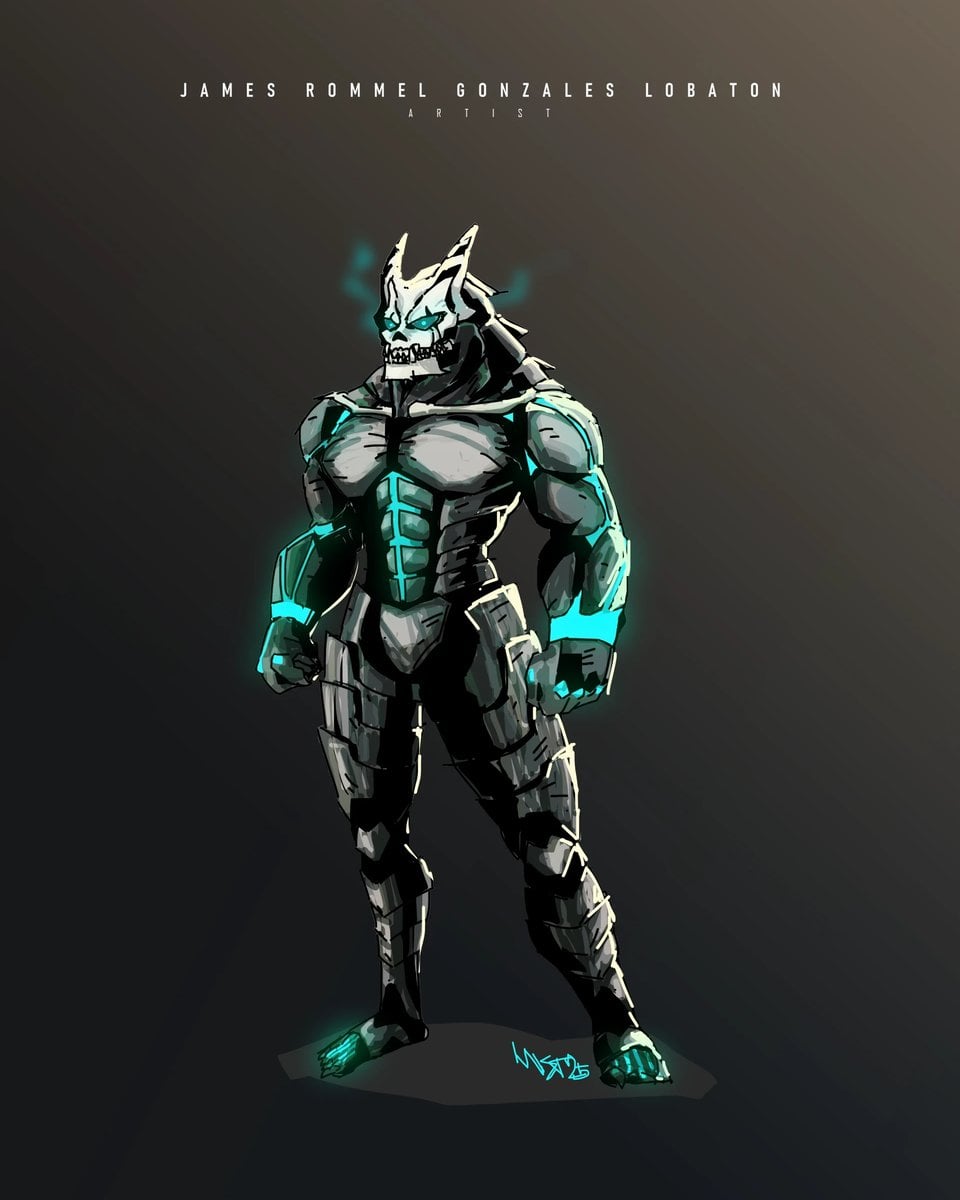
Games that influenced me are Hades, Borderlands, Skullgirls and Darkest Dungeon. For artists, it's Mike Mignola, Ludo Lullabi and Todd McFarlane. They're brilliant artists, and I love how unique their work is. There's so much energy in their drawings. It keeps my fire going.
And what are you drawn to right now?
I still practise and develop my style digitally, but right now I'm also doing traditional painting and drawing on the side. I love going back to watercolour, gouache and acrylic, with some oil pastels too. It's my way of not burning out, because I'm always doing something different.
On projects like Into the Crypt you animated characters drawn by another artist. How do you approach that?
Before I take a commission, I always check whether I can do cutouts in the other artist's style. I use Spine, so I need to cut the art into parts. That's why I don't take on realistic art: it's hard for me to fill in the missing parts of the drawing.
What makes a piece of art easy or hard to rig?
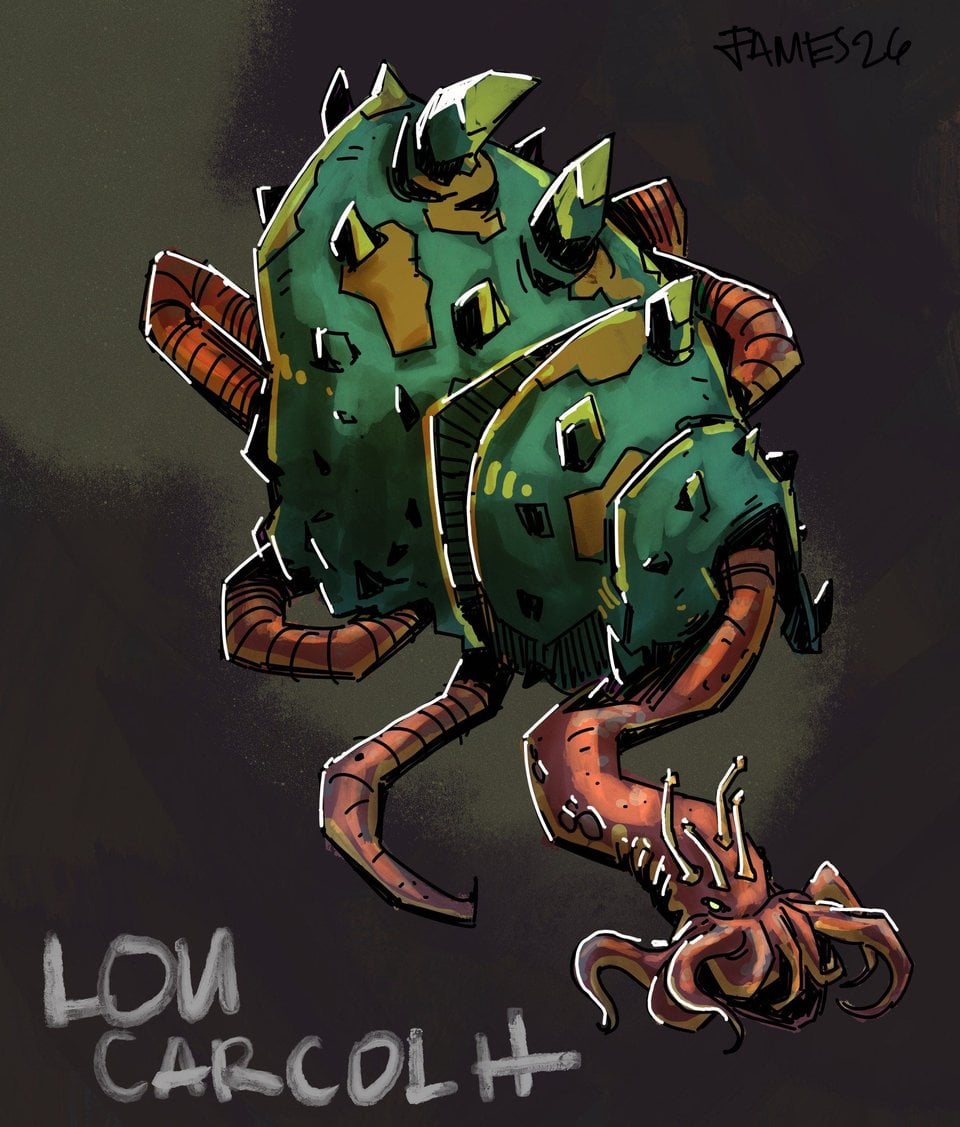
The hard part is when a character is complicated, like one with lots of tentacles or heavy clothing. The cutouts take time, and the rigging needs some study or research. If a character is really complicated, I need to know how the client plans for it to move so that I can do the cutouts wisely.
Take us through a typical commission, like the Bone Dragon boss. What happens between the brief and the final files?
First, the client sends all the details about the boss monster. Then I create different silhouettes, pick the ones I like and add detail. At this stage it's all sketches.
I send those to the art director so they can choose one and ask for adjustments. Then it comes back to me to polish. When everything is signed off, I start doing the cutouts for the Spine animation. The final files are delivered in a folder at the end.
What does your toolkit look like for 2D and 3D work?
I use Photoshop and Procreate for 2D, and Maya or 3ds Max for 3D, though I'm practising Blender now.
A rough animation test: the figure is drawn frame by frame in red line, with the frame numbers pencilled in.
Why Spine for game animation?
It's a very strong piece of software for quick 2D animation. It's built for games, it keeps getting better with every update, and it's a one-time payment. Spine is probably the tool I couldn't work without. It's a big part of my commission work.
Between client work, fan art and challenges like Inktober and Swordtember, how do you keep your files organised?
Staying organised is a pain. You have to name things correctly or you'll waste time looking for your files. I keep my files on Google Drive and my PC, and I name them after the game or the customer.
My biggest pain point is not having enough space on my PC's drive.
(We may know a thing or two about that one. Here's how we keep 100,000 game assets findable.)
What do you wish indie developers knew before commissioning an animator?
Know what you want first: what type of game, what animation style, what art style. Always have references. And always communicate. The faster the reply, the better.
James's character process: silhouettes first, then colour roughs, then the final character animated.
See more of James's work, or get in touch about new projects:
This is part of our Artist Spotlight series. If you're a game asset creator and want to be featured, get in touch at mark@assethoard.com.